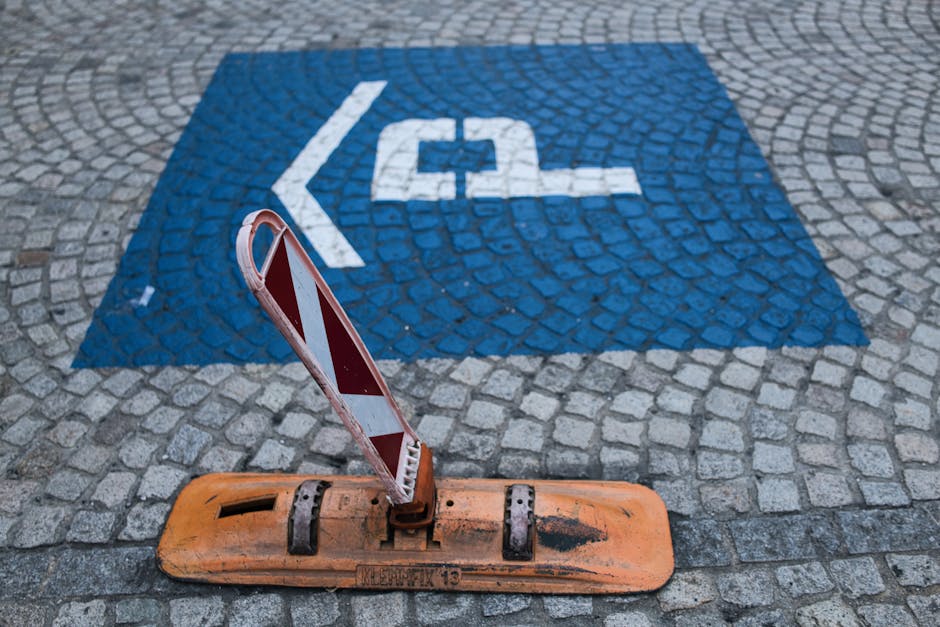
Harrow removals pavement and vehicle restriction rules
If you are planning a move in Harrow, the last thing you want is a van that cannot park where it needs to, a pavement that is too narrow for safe loading, or a surprise restriction that slows everything down. Harrow removals pavement and vehicle restriction rules can sound like dry local red tape, but in real life they shape how a move actually happens. Get them wrong and you end up with delays, extra carrying distance, grumpy neighbours, or, in the worst case, a fine. Get them right and the whole day feels calmer, cleaner, and far less chaotic.
This guide explains how the rules usually work, why they matter, what to check before moving day, and how to plan a removal that is safe, legal, and efficient. Truth be told, most moving problems are not caused by the packing itself. They happen at the kerbside, right where the pavement meets the vehicle.
Table of Contents
- Why Harrow removals pavement and vehicle restriction rules Matters
- How Harrow removals pavement and vehicle restriction rules Works
- Key Benefits and Practical Advantages
- Who This Is For and When It Makes Sense
- Step-by-Step Guidance
- Expert Tips for Better Results
- Common Mistakes to Avoid
- Tools, Resources and Recommendations
- Law, Compliance, Standards, or Best Practice
- Options, Methods, or Comparison Table
- Case Study or Real-World Example
- Practical Checklist
- Conclusion
- Frequently Asked Questions
Why Harrow removals pavement and vehicle restriction rules Matters
Moving is stressful enough without having to guess whether a lorry can stop outside your home, whether wheels can be left on the pavement, or whether the street layout makes loading awkward. In Harrow, as in many parts of London, the practical issue is not just "Can the vehicle get there?" It is also "Can it stop safely, without blocking people, damaging surfaces, or causing a nuisance?"
That matters for a few very ordinary reasons. First, pavements are shared space. Pedestrians, pushchairs, wheelchairs, mobility scooters, and cyclists all need room to move safely. Second, a removal vehicle is often larger than a family car and needs a better turning and loading position. Third, local restrictions may affect where you can stop, how long you can stay, and whether certain streets are effectively unsuitable for a large vehicle. Even a short stop can become a problem if a road has limited width or loading restrictions.
You will notice that the best moves are rarely the fanciest. They are simply the ones where the access plan is realistic. A crew that understands kerbside access will save you time, reduce carrying distance, and lower the chances of rushed lifting. And yes, your front door and the van may only be a few metres apart, but those metres can feel endless when you are carrying a wardrobe down a narrow stairwell in the rain.
There is also a reputation angle. If a van blocks a pavement, neighbours notice. If it damages paving slabs or drops soil, someone notices. If the driver has to keep shuffling the vehicle because the position was not checked properly, everyone notices. So this is not just about logistics; it is about doing the move with a bit of care and common sense.
How Harrow removals pavement and vehicle restriction rules Works
The rules are not one single rulebook with a neat little answer. They are usually a mix of highway access, parking restrictions, loading allowances, pavement safety, and local street conditions. The exact position depends on the road, the time of day, and what kind of vehicle is involved. That is why two houses on the same borough can have completely different removal-day experiences.
In practical terms, most of the decision-making comes down to these factors:
- Whether the vehicle can legally stop where needed for loading or unloading
- Whether there are waiting restrictions, yellow lines, controlled zones, or permit-only bays
- Whether the pavement is strong and wide enough for any necessary temporary use
- Whether the vehicle would block access, sightlines, entrances, or emergency routes
- Whether the street is tight enough that a smaller van is more sensible than a large lorry
Most removal crews look at access in stages. First comes the street itself. Then the exact frontage. Then the internal route from front door to vehicle. Finally, any awkward obstacles such as low trees, parked cars, bollards, steep kerbs, or especially awkward corners. On a quiet suburban road, that may feel straightforward. On a terraced street with parked cars nose-to-tail, it can get fiddly very quickly.
In some cases, the issue is not only where the vehicle can stand but how long it can remain there while loading. If the move is large, the stop may need to be planned so the vehicle is not left in a risky position while furniture is still being carried. A sensible removals team will think in terms of sequence: where to park first, what to carry first, and how to keep the route clear for people walking past.
It is also worth separating pavement use from driveway use. A private driveway is usually simpler, but many Harrow properties do not have one, or the drive is too short for the vehicle length. In those situations, the team may need to work from the road edge. That is where judgment matters. A van half on the kerb may seem convenient, but if it narrows the footway too much, it creates a problem. To be fair, it is one of those things people only really notice when they are trying to squeeze past with shopping bags and a buggy.
Key Benefits and Practical Advantages
Following the rules properly is not just about avoiding trouble. It creates a better moving day in a very practical sense.
- Faster loading and unloading: A well-planned stop reduces carrying distance and keeps the team moving.
- Less risk of damage: Fewer last-minute manoeuvres means less chance of scratched furniture, kerb scuffs, or bent wheels.
- Better pedestrian safety: A sensible setup keeps pavements usable for neighbours and passers-by.
- Lower chance of fines or complaints: Good planning helps avoid unnecessary enforcement issues.
- Less stress on moving day: Everyone works better when the vehicle position is sorted before the clock starts ticking.
There is also a quieter benefit: it helps the move feel organised. Even if the inside of the property is chaotic, a clear access plan gives the day structure. People know where to walk, where items should be staged, and which door stays open. That small bit of order makes a bigger difference than most people expect.
For families, the practical advantage is especially noticeable. Children, pets, and boxes do not mix well around a busy road edge. If the vehicle is positioned properly, the whole loading process becomes less messy and less exposed. And let's face it, nobody wants to be standing in the street at 8:00 in the morning trying to remember where the kettle was packed.
Who This Is For and When It Makes Sense
This topic matters if you are moving from or to any Harrow property where access is not completely simple. That includes terraced houses, maisonettes, flats above shops, cul-de-sacs with narrow turning space, and roads with busy daytime parking. It also matters if you are moving on a weekday when street demand is high, because the same road can feel very different at 10 a.m. compared with early afternoon.
You should pay close attention if any of these apply:
- Your front door opens directly onto a narrow pavement
- The street has yellow lines, permit bays, or time-limited restrictions
- You expect a larger van or lorry rather than a small transit-style vehicle
- There is no driveway, or the driveway is too short to be useful
- Parking in front of the property is already tight because of nearby residents or businesses
- You are moving bulky items such as wardrobes, pianos, or large appliances
It also makes sense for landlords, letting agents, and property managers. Why? Because access issues can turn into late handovers, tenant complaints, or damage claims if they are ignored. A simple access check before the move day saves awkward conversations later. No one enjoys those.
If you are hiring a removals company, this is one of the first things worth discussing. A good mover will not treat access as an afterthought. They will ask the right questions, maybe a few more than you expected, and that is usually a good sign. They are trying to avoid the classic "we thought the lorry would fit" mistake, which is about as useful as bringing a suitcase to carry a sofa.
Step-by-Step Guidance
Here is the most practical way to approach Harrow removals pavement and vehicle restriction rules without getting bogged down in jargon.
- Check the street layout first. Look at the road width, the pavement width, the parking pattern, and where the property sits in relation to the curb. If you can do this in person, even better.
- Identify obvious restrictions. Look for yellow lines, permit signs, loading notices, bus stops, school markings, or narrow-bay parking. If something looks tight, assume it needs more planning, not less.
- Measure the access route. Not just the front path. Check gate width, steps, thresholds, bends, low branches, and the distance from door to vehicle position.
- Decide what size vehicle is appropriate. A large lorry is not always the clever choice. Sometimes a medium van, shuttle vehicle, or two-trip approach is safer and quicker.
- Plan the loading order. Put the most awkward or heavy items closest to the door and the most fragile items in a controlled sequence. It keeps the flow sensible.
- Allow for pedestrian movement. If the pavement may be partially occupied, make sure there is still a safe route for people passing by.
- Build in time for surprises. Parked cars, neighbours, or unexpected site quirks happen. A move with no buffer time tends to become a messy move very quickly.
- Confirm the plan with the removals team. Speak plainly. Say where the van can stop, what might be blocked, and anything awkward about the building or the road.
A small but useful habit is to take photos of the frontage and the road on a normal day, not just on the moving day. That gives the removals company a realistic sense of what they are dealing with. The light changes, cars move, weather changes. Still, the photos help. In our experience, they save more back-and-forth than people expect.
If the road is especially tricky, consider a quick dry run in your head: where does the vehicle stop, where do the boxes come out, and where does the team stage them before loading? Once you picture the sequence, the weak points usually stand out.
Expert Tips for Better Results
Here are the small, experienced-led details that often make the biggest difference.
- Choose the right time of day. Earlier starts can reduce traffic pressure and improve parking options. Not always, but often enough to matter.
- Keep the pavement as clear as possible. Even a neat pile of boxes can create a trip hazard if it is too close to the footway edge.
- Use a spotter if the street is tight. One person guiding the driver can prevent a lot of awkward shuffling.
- Protect the route. Door frames, steps, and thresholds get scuffed easily during a busy move.
- Separate essentials. If access is slower than expected, a clearly labelled essentials box saves the day. It is always the tea bags that matter first, isn't it?
Another practical tip: speak to neighbours if you know the street is narrow. You do not need a public meeting. Just a polite heads-up can prevent frustration when the van arrives and the street temporarily feels busier than usual. People are usually much more reasonable when they know what is happening.
Also, do not assume that a flat move is simpler just because the home is smaller. Shared entrances, stairs, and limited waiting space can make flat removals trickier than house moves. The pavement and the vehicle are only one part of the puzzle, but they are often the part that decides whether the rest of the day feels smooth or slightly frazzled.
Common Mistakes to Avoid
A lot of moving problems come from a handful of very ordinary mistakes. They are easy to make, especially when you are juggling packing, paperwork, and keys.
- Assuming any van will do: Bigger is not always better. A vehicle that is too large can create more problems than it solves.
- Leaving access checks until the morning of the move: By then, you have no room to fix a bad plan.
- Forgetting about pavement width: A vehicle may fit on the road but still obstruct the footway.
- Ignoring nearby parking pressure: A street that looks fine at 7 a.m. may be busy by 10 a.m.
- Not checking for loading constraints: Some streets appear convenient but are not practical for standing vehicles.
- Blocking bins, driveways, or entrances: That quickly becomes a neighbourhood issue.
There is also the very human mistake of trusting memory. "I'm sure the road was fine last time." Maybe it was. But if it was six months ago, with different neighbours, different parked cars, and different street conditions, that memory is only half useful. Streets change. Move days are not sentimental that way.
Another common slip is underestimating how much time it takes to carry items if the van cannot get close. Even a modest extra distance can turn a neat schedule into a rushed one. That is where the stress creeps in, little by little, and then suddenly you are trying to load a mattress while someone asks whether the kettle has been packed. Classic.
Tools, Resources and Recommendations
You do not need a load of specialist kit to manage access well, but a few simple tools and habits help a lot.
- Measuring tape: Useful for checking doorways, paths, gate openings, and awkward gaps.
- Phone camera: Photos of the frontage, pavement, and street layout are often more helpful than a long explanation.
- Parking signs and notes: Read them carefully, even if they look repetitive. The small print matters.
- Box labels: Clear labels speed up unloading if the vehicle has to stop a little farther away.
- Protective covers and floor runners: Helpful when the access route is tight or weather is poor.
If you are comparing moving support, look for a company that talks openly about access planning rather than only price. A cheaper quote can become expensive if the move takes longer because the vehicle cannot park well. That is one reason practical advice matters more than polished sales language.
For a related overview of planning around moving logistics, some readers also find it useful to look at the wider removals planning approach when they are thinking through timing, packing, and access as one complete job. If you need local moving support in another part of London, you may also want to review moving services in context. And for readers comparing broader home-moving preparation, practical relocation guidance can be a sensible place to start.
Those links are not magic, obviously. But having the whole move planned as a system rather than a pile of separate tasks makes a difference.
Law, Compliance, Standards, or Best Practice
Without drifting into legal jargon, the key point is simple: vehicles must be used in a way that is safe and consistent with local road and pavement conditions. In the UK, pavement obstruction, unsafe parking, and ignoring loading or waiting restrictions can create enforcement problems. Exact rules depend on the location, the signage in place, and the nature of the vehicle movement, so it is wise to check the street conditions carefully rather than rely on assumptions.
Best practice usually means:
- Keeping pavements passable wherever possible
- Avoiding unsafe partial parking that creates a hazard for pedestrians
- Respecting any loading, waiting, or permit restrictions shown on street signs
- Using a vehicle size that suits the property and the road
- Planning the move so emergency access is not compromised
It is also sensible to treat temporary loading as a planning issue, not a casual one. A removals crew should think about risk, route safety, and the condition of the public footway. If something feels borderline, do not wing it. Ask whether a different vehicle position or staging method would be better. Usually there is a safer option if you pause long enough to look for it.
Of course, local streets vary. Some are generous. Some are not. That is just the reality. So the safest advice is to check signs, assess the route, and avoid making assumptions that could leave you with a headache later.
Options, Methods, or Comparison Table
Different streets call for different moving methods. The right choice depends on space, timing, and how much distance there is between the door and the vehicle.
| Method | Best for | Pros | Trade-offs |
|---|---|---|---|
| Large removals lorry | Spacious streets and bigger moves | Fewer trips, efficient for volume | Needs more parking space and easier access |
| Medium van | Mixed-access streets and typical household moves | More flexible, easier to position | May need more than one load for larger homes |
| Small van with shuttle trips | Narrow roads or difficult parking | Best manoeuvrability, less street disruption | Can take longer overall |
| Frontage loading with a spotter | Short-term loading where the pavement and road allow it | Fast and simple when done safely | Needs careful planning and constant awareness of pedestrians |
There is no universally best option. A large lorry may be brilliant on one street and hopeless on the next. A smaller van can look less impressive but be far more effective. That is the part people sometimes miss when they compare quotes: they compare price, but not the access reality behind the price.
If you are deciding between methods, ask a simple question: which option keeps the route safest and the move most controlled? That question cuts through a lot of noise.
Case Study or Real-World Example
Picture a typical Harrow house move on a residential road with parked cars on both sides. The property has no driveway, the pavement is modest in width, and the front door sits a short distance from the road. On paper, it seems manageable. In practice, the first vehicle idea was a large lorry, but the street would have become awkward very quickly.
Instead, the move was split into a more compact vehicle plan. The team positioned the van where loading was possible without completely choking the pavement, kept the carrying route clear, and loaded the larger items first while the street was still quieter. The difference was not dramatic in a flashy sense, but it was noticeable: less turning, less waiting, fewer interruptions. The day felt controlled rather than improvised.
What made that work was not luck. It was the simple decision to think about road access before moving boxes. A lot of people only realise this halfway through the move, when the sofa is already in the hallway and the van is still trying to find a sensible place to stand. Better to avoid that moment if you can.
The real takeaway? A well-matched vehicle and a clear kerbside plan usually beat a bigger, more awkward setup. Every time, almost.
Practical Checklist
Use this checklist a few days before the move, then again on the morning if needed.
- Confirm whether the property has driveway access or road-only access
- Check for yellow lines, bays, loading restrictions, or permit zones
- Measure gate widths, steps, and tight internal or external routes
- Decide whether a large van, medium van, or shuttle approach is more realistic
- Identify where the vehicle can stop without blocking key access points
- Make sure the pavement remains as clear as possible for pedestrians
- Tell the removals team about any low walls, awkward corners, or access barriers
- Prepare labels and essentials so slower loading does not create confusion
- Keep children and pets away from the loading route
- Leave a little time buffer in case the street is busier than expected
Practical summary: if the road looks tight, treat it as tight. If the signs look restrictive, assume they matter. And if you are uncertain about the best vehicle position, plan conservatively rather than bravely. Moving day rewards calm decisions, not heroic ones.
Conclusion
Harrow removals pavement and vehicle restriction rules are not there to make moving awkward for the sake of it. They exist because the kerbside is shared space, and a good move has to work for you, your belongings, your neighbours, and the street itself. The best removals are usually the ones that look ordinary from the outside because the planning happened quietly in advance.
If you take one thing from this guide, let it be this: check access before you start lifting. Not after, not halfway through, and not once the van is already idling outside. A few minutes of planning can save a lot of stress, and it often makes the whole day feel more human, less frantic.
Get a free quote today and see how much you can save.
And if the street is a bit awkward, that is fine. Most of them are, in one way or another. With the right approach, the move can still go smoothly enough to let you breathe out at the end and think, yes, that was manageable after all.
Frequently Asked Questions
What do Harrow removals pavement and vehicle restriction rules actually cover?
They generally cover where a removals vehicle can stop, whether it can safely use the kerbside or pavement area for loading, and how local parking or waiting restrictions affect the move. The exact position depends on the street and the signs in place.
Can a removals van stop partly on the pavement in Harrow?
Sometimes access is tight enough that people think about this, but it is not something to assume is allowed or sensible. The key issue is safety and whether pedestrians can still pass comfortably. Always assess the street properly before relying on that approach.
Do I need to check parking restrictions before moving day?
Yes, absolutely. A street can look fine at a glance and still have restrictions that affect loading or stopping. Checking in advance helps avoid delays, fines, and the awkward scramble of finding a last-minute workaround.
Is a bigger removals lorry always better?
No. Bigger vehicles can be efficient, but only if the road and frontage can accommodate them. On narrow streets or tightly parked roads, a medium or smaller van may actually be faster and safer.
What if my street is too narrow for a large vehicle?
Then you may need a different loading method, such as a smaller vehicle or shuttle runs. That can take longer, but it often reduces stress and makes the move safer overall. It is one of those cases where smaller is smarter.
How early should I plan access for a Harrow move?
As early as you can. Even a rough access check a few days before the move is useful. If the road is unusually busy or restrictive, planning earlier gives you more room to adjust the vehicle choice or timing.
What common problem causes removals delays most often?
Underestimating kerbside access. People often focus on packing and forget the vehicle position, loading distance, or parking restrictions. That is when the day starts to slip.
Should I tell neighbours about the move?
If the street is narrow or parking is tight, a polite heads-up is a good idea. It is not always essential, but it can reduce friction and avoid surprise when a van arrives and things get busier for a while.
Can I manage the access myself without a removals company?
You can, but you still need to think through the route, vehicle size, and restriction signs carefully. If the move is large or the road is awkward, professional support is often worth it because they deal with these constraints all the time.
What should I do if I am unsure whether the pavement is usable for loading?
Treat uncertainty as a warning sign. Plan for a more conservative setup, check the street carefully, and choose a method that keeps pedestrians safe. When in doubt, a safer approach is usually the right one.
How can I make the move less stressful on the day?
Label boxes clearly, keep the route to the vehicle as clear as possible, decide the loading order in advance, and allow extra time. Simple things, really, but they make a noticeable difference when the day gets busy.
What is the single best way to avoid access problems?
Match the vehicle and loading plan to the street, not the other way around. That one choice prevents a lot of trouble. It sounds obvious, but people skip it all the time.